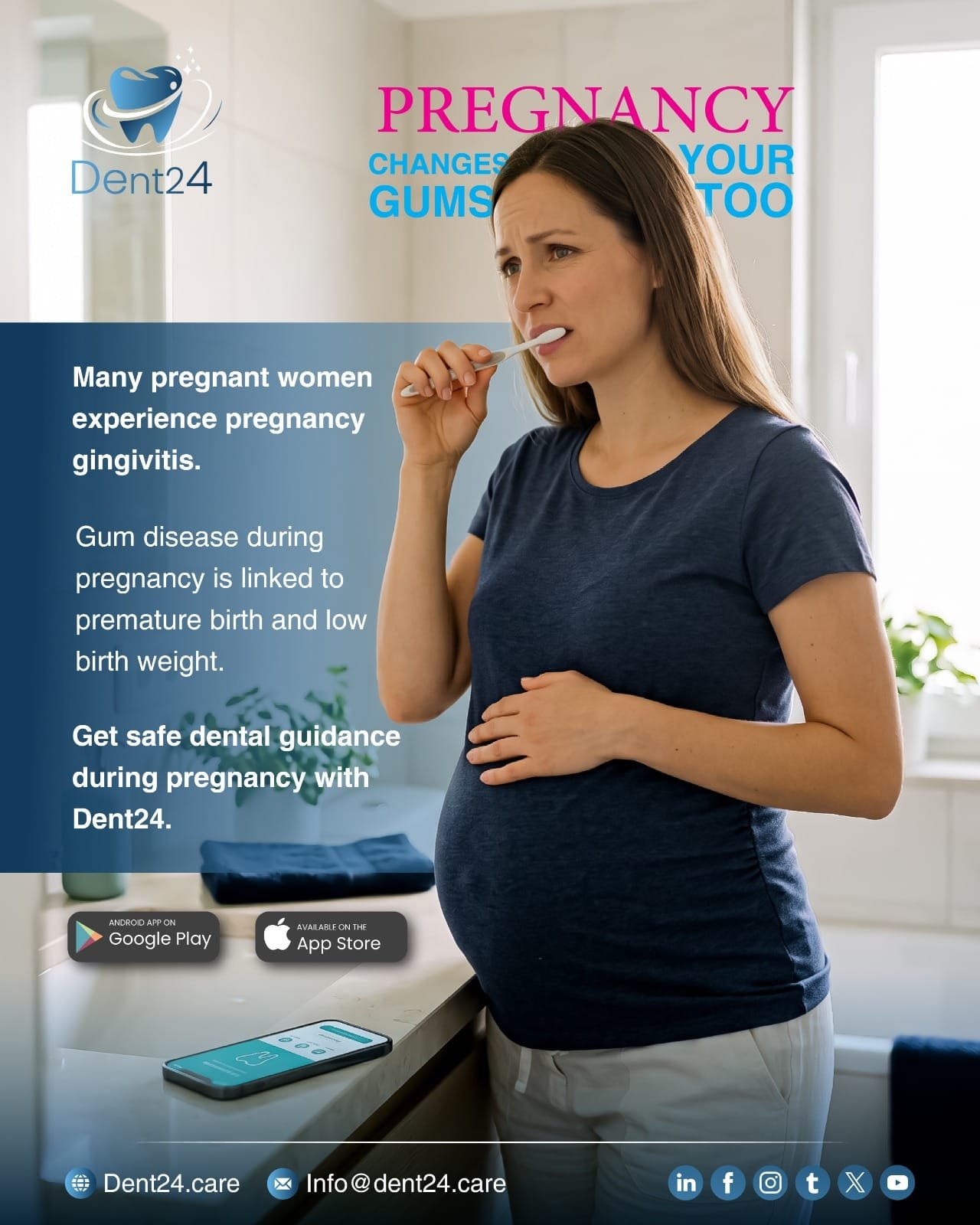
Tooth Pain During Pregnancy: What's Safe for Your Baby?
Your gums have started bleeding when you brush, or a tooth that never bothered you before suddenly aches — and now you're wondering whether it's safe to deal with it while you're pregnant.
Can you take anything for the pain? Is it safe to see a dentist during pregnancy? Could a dental X-ray or filling affect your baby?
These questions are common, and uncertainty can sometimes lead people to delay dental care. However, tooth pain during pregnancy should not simply be ignored.
This guide explains what is generally considered safe during different stages of pregnancy, which symptoms should be discussed with a healthcare professional or dentist promptly, and how you can get written dental guidance without an unnecessary trip to a waiting room.
Why Does Pregnancy Affect Your Gums and Teeth?
Pregnancy causes hormonal changes that can increase blood flow to the gums and change the way your body responds to bacteria naturally present in the mouth.
As a result, pregnancy gingivitis can cause gums to become red, swollen and more likely to bleed during brushing or flossing.
This is common during pregnancy and can often be managed with good oral hygiene and professional dental care. It does not necessarily mean that you have done anything wrong.
Morning sickness can also affect oral health. Frequent vomiting exposes the teeth to stomach acid, which can temporarily soften the enamel and contribute to sensitivity and an increased risk of tooth damage over time.
What's Generally Safe During Different Stages of Pregnancy?
First Trimester
Routine dental examinations and cleanings are generally considered safe during pregnancy.
Some people and dental professionals may choose to schedule non-urgent elective treatment later in pregnancy when appropriate. However, urgent dental problems such as significant pain, infection or trauma should not simply be postponed because you are in the first trimester.
Second Trimester
The second trimester is often a comfortable period for necessary dental care. Dental examinations, cleanings and treatments such as fillings can generally be performed when clinically needed.
Your dentist and healthcare provider can take your individual pregnancy and health circumstances into account when planning treatment.
Third Trimester
Dental treatment can still be provided during the third trimester when necessary.
However, remaining in one position for a long period may become uncomfortable as pregnancy progresses, so some dental appointments may be kept shorter or adjusted for comfort.
Urgent dental problems should still be addressed rather than delayed solely because you are in the third trimester.
Are Dental X-Rays Safe During Pregnancy?
Modern dental X-rays use a very small amount of radiation. When an X-ray is genuinely needed to diagnose a dental problem, appropriate precautions can be used to minimize exposure.
For example, an X-ray may be recommended when a dentist needs to investigate the cause of significant tooth pain during pregnancy or determine whether an infection may be present.
Non-urgent imaging may sometimes be postponed when appropriate. Your dentist can decide whether an X-ray is necessary based on your symptoms and clinical situation.
If you are pregnant or think you may be pregnant, always tell your dentist before any examination or imaging.
Signs That Shouldn't Wait, No Matter the Trimester
Certain symptoms deserve prompt professional attention regardless of how far along you are in pregnancy.
These can include:
Severe, persistent or throbbing tooth pain, particularly pain that keeps you awake.
Visible swelling of the face or gums.
Fever associated with dental pain.
A broken, displaced or knocked-out tooth following an injury.
Significant or unusual gum bleeding, rather than mild bleeding that occurs occasionally during brushing.
Signs of a possible dental infection, such as pus, increasing swelling or a persistent bad taste.
An infection during pregnancy should not simply be ignored in the hope that it will disappear after delivery. Dental infections can require timely professional assessment and treatment.
If you develop difficulty breathing or swallowing, seek emergency medical care immediately.
What Can You Generally Do at Home in the Meantime?
While waiting for professional advice, some general oral-care measures may help:
Continue brushing your teeth twice a day with fluoride toothpaste and clean gently around the gumline.
Floss carefully to help remove plaque and food particles between the teeth.
Rinse with warm salt water if your gums feel irritated or uncomfortable.
If you experience vomiting from morning sickness, rinse your mouth with water afterward rather than brushing immediately. This can help reduce the effect of stomach acid on softened enamel.
For pregnancy toothache, speak with your doctor, pharmacist or dentist before taking medication, including over-the-counter pain relief. The appropriate option can depend on your individual circumstances and stage of pregnancy.
Mention persistent dental symptoms during your prenatal care as well as to your dentist, particularly if you have other pregnancy-related health concerns.
"Is It Really Worth Going to the Dentist Right Now?"
This is a common concern during pregnancy. You may not want to schedule an appointment, spend time in a waiting room, or worry about whether a recommended treatment is appropriate for you and your baby.
This is where Dent24 can provide additional guidance.
You can describe your symptoms and how far along you are in your pregnancy directly in the app. A certified Dent24 dentist can review the information and provide a written Pregnancy Dental Report.
The report can help explain:
What your reported symptoms may indicate.
What general measures may be appropriate at your current stage of pregnancy.
Which situations may require an in-person dental examination.
What questions you may want to discuss with your dentist or healthcare provider.
Which warning signs should prompt you to seek care sooner.
Dent24 does not replace an in-person dental examination when one is needed. However, it can help you understand your symptoms and prepare for the next step.
Frequently Asked Questions
Is it safe to see a dentist while pregnant?
In general, necessary dental care can be provided during pregnancy. Delaying treatment for a significant dental problem may create additional concerns.
Tell your dentist that you are pregnant so your dental care can be planned appropriately for your circumstances.
Can bleeding gums during pregnancy harm my baby?
Mild pregnancy gingivitis is common and does not usually mean that there is a direct risk to your baby.
However, persistent or significant gum problems should be discussed with a dentist or healthcare professional. Maintaining good oral hygiene throughout pregnancy is important.
Are dental X-rays safe during pregnancy?
When an X-ray is genuinely needed and appropriate precautions are taken, dental X-rays can generally be performed during pregnancy.
Your dentist will determine whether imaging is necessary based on your symptoms and clinical needs. Non-urgent imaging may sometimes be postponed when appropriate.
What pain relief can I take for a toothache while pregnant?
Do not assume that every pain-relief medicine is appropriate during pregnancy.
The safest option can depend on your individual health circumstances and stage of pregnancy. Speak with your doctor, dentist or pharmacist before taking medication, including over-the-counter products.
Should I delay dental treatment until after pregnancy?
Not necessarily. Necessary dental treatment may be appropriate during pregnancy, including when you have significant pain, infection or dental trauma.
Delaying treatment should be discussed with your dentist rather than assumed to be the safest option.
How much does a Pregnancy Dental Report cost on Dent24?
The Pregnancy Dental Report, reviewed by a certified dentist, costs €24.99 and is delivered as a PDF in your selected language.
🦷 Experiencing Tooth Pain During Pregnancy?
Your question: "Is this safe, and what should I do right now?"
Our answer: The Dent24 Pregnancy Dental Report allows your reported dental symptoms and pregnancy stage to be reviewed by a certified dentist.
✓ Guidance on your dental symptoms
✓ General guidance appropriate to your stage of pregnancy
✓ Information to help you prepare for an in-person dental consultation
✓ Delivered as a PDF in your selected language
€24.99
This content provides general dental health information and is not a medical diagnosis. It does not replace personalized advice from your dentist, doctor, pharmacist or other healthcare professional. Pregnancy-related medication and treatment decisions should be discussed with an appropriate healthcare professional. If you experience severe symptoms, significant swelling, difficulty breathing or swallowing, or another urgent concern, seek appropriate medical care promptly.